

by NOVA

7 月 08, 2026
A zigbee gateway is the coordinator that pairs low-power Zigbee switches, sensors, and plugs with your app ecosystem. For distributors and installers, the right hub determines pairing success, device limits, and whether projects stay stable after handover. This guide focuses on practical evaluation steps for U.S. distributors, retailers, and installers—compatibility, documentation, and lifecycle support—not generic marketing claims. Where equipment selection is involved, cross-check public specifications on moessolar.com and confirm hub and sub-device compatibility with your target app ecosystem. Section checklists can be reused as RFQ attachments and installer handover outlines.
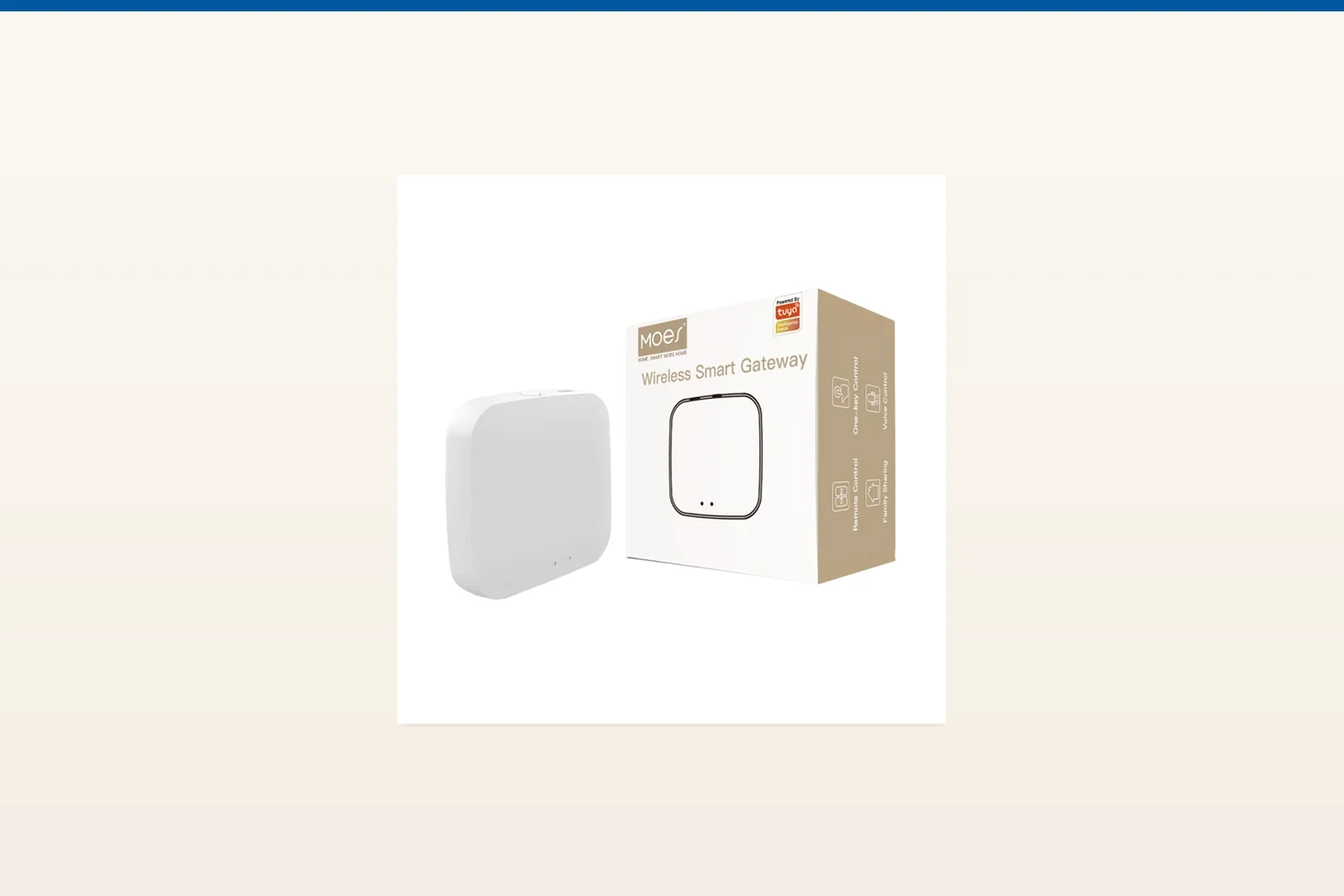
Zigbee devices form a mesh network; they do not join Wi-Fi directly. The gateway translates Zigbee traffic to IP, manages pairing, and exposes automations in apps such as Smart Life, Alexa, or Home Assistant.
For B2B buyers, the gateway is also the SKU that defines ecosystem lock-in, firmware update policy, and support escalation paths.
Smart home B2B projects succeed when hub choice, sub-device compatibility, and installer handover docs stay aligned from quote to commissioning.
Document target apps (Smart Life, Alexa, Google Home, Home Assistant) and whether cloud accounts transfer to homeowners.
Stocking programs should include spare hubs and a written RMA path—gateway failure blocks entire installations.
List compatible hubs, apps, and wiring assumptions in RFQs so distributors can confirm SKU fit before the first truck roll.
For retrofit projects, document neutral-wire availability and box depth—many smart switches fail acceptance when wall boxes are too shallow.
Set handover expectations up front: who owns the Smart Life/Tuya account, hub firmware updates, and RMA swap procedures.
| Layer | Role | Buyer question |
|---|---|---|
| Zigbee sub-devices | Lights, switches, sensors, plugs | Are they Zigbee 3.0 certified? |
| Gateway / hub | Coordinator + cloud/local bridge | How many devices can it manage? |
| App / voice | Smart Life, Alexa, Google | Does the hub support required integrations? |
| Installer handover | Docs + spare hub policy | Who owns firmware and account transfer? |
Consumer and pro-installer projects often start with Tuya-compatible gateways because pairing is guided in Smart Life and sub-device catalogs are broad.
DIY coordinators (USB dongles or Ethernet bridges for Home Assistant) trade plug-and-play for local control and deeper customization.
Compare hub device limits, wired backhaul options, and multi-protocol support before bundling SKUs for whole-home packages.
Cross-link MOES smart switches and MOES smart home products so buyers can navigate related categories on moessolar.com.
Lead times and MOQ vary by hub firmware region—confirm FCC/IC documentation for the exact SKU you import.
List compatible hubs, apps, and wiring assumptions in RFQs so distributors can confirm SKU fit before the first truck roll.
For retrofit projects, document neutral-wire availability and box depth—many smart switches fail acceptance when wall boxes are too shallow.
Set handover expectations up front: who owns the Smart Life/Tuya account, hub firmware updates, and RMA swap procedures.
| Approach | Best for | Trade-off |
|---|---|---|
| Tuya / Smart Life hub | Retail bundles, rental upgrades, fast deployment | Cloud account dependency |
| Multi-mode hub (Wi-Fi + Zigbee + BT) | Mixed-protocol starter kits | Firmware complexity |
| Home Assistant coordinator | Power users, privacy-focused sites | Higher setup skill |
| Branded OEM hub | Private-label programs | Validate QA and update policy |
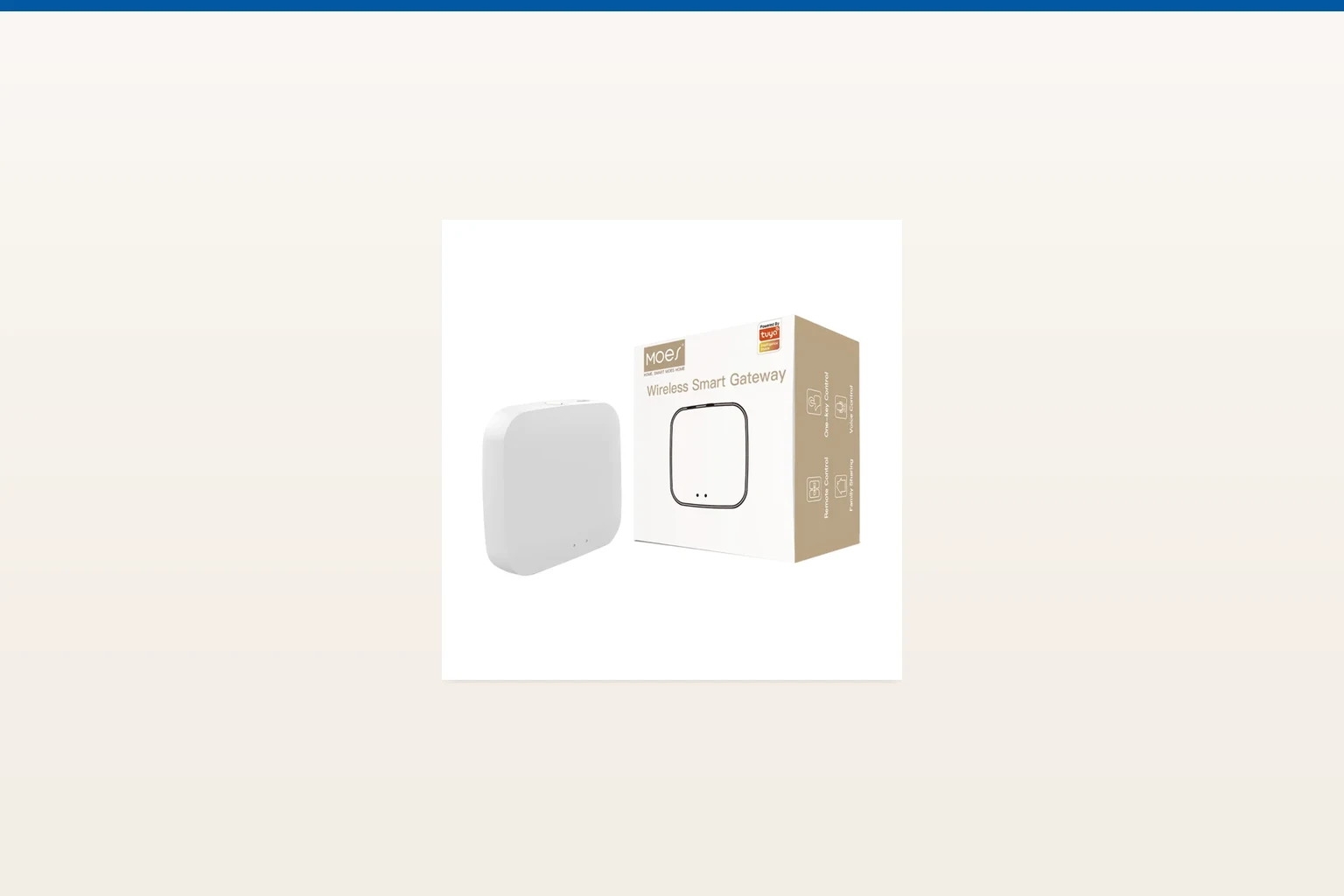
Published sub-device limits vary by firmware and antenna design. Distributors should request device-count tests and clarify whether limits are per hub or per account.
Wired Ethernet backhaul often outperforms Wi-Fi-only hubs in multi-floor homes and light commercial retrofits.
After handover, schedule a 30-day check-in on pairing stability and firmware updates.
Keep neutral-wire and box-depth requirements in installer cheat sheets to reduce callback rates.
Submit project parameters via MOES contact when device counts or integrations exceed catalog defaults.
List compatible hubs, apps, and wiring assumptions in RFQs so distributors can confirm SKU fit before the first truck roll.
For retrofit projects, document neutral-wire availability and box depth—many smart switches fail acceptance when wall boxes are too shallow.
Set handover expectations up front: who owns the Smart Life/Tuya account, hub firmware updates, and RMA swap procedures.
Installer and distributor acceptance should not rely on a single demo pairing—documentation proves ratings, compatibility, and maintainability.
Use the tables below as a starting RFQ checklist; your retail or pro-installer program may require additional items.
For product-specific datasheets, cross-check related MOES product pages and request any missing type test excerpts.
Align factory acceptance tests with items your insurer or utility interconnection agreement may require.
When comparing quotations, normalize currency, Incoterms, and included commissioning services before ranking suppliers.
| Document / item | Purpose | When to request |
|---|---|---|
| FCC / IC certification (exact SKU) | Verify legal sale and import in target market | Before purchase order |
| Wiring diagram + load ratings | Installer acceptance and AHJ review if applicable | Design / quote phase |
| Hub compatibility matrix | Confirm pairing with switches, sensors, plugs | Before stocking bundles |
| Firmware update policy | Lifecycle and security maintenance | Contract negotiation |
| RMA / DOA procedure | Field swap and customer satisfaction | Before first shipment |
| Project type | Typical stack | Buyer focus |
|---|---|---|
| Single-family retrofit | Hub + switches + app | Neutral wire, box depth, repeater placement |
| Multi-family / rental | Central hub + keyed access | Account transfer, bulk pairing, spare hubs |
| Retail starter kit | Multi-mode hub + 3–5 sub-devices | Packaging, quick-start guide, FCC labels |
| Pro installer program | OEM hub + MOES sub-devices | MOQ, private label, engineering support |
Commissioning should verify pairing limits, scene execution, and voice-assistant responses—not only that devices power on.
Functional tests typically include hub-to-device latency, multi-switch scenes, and failover when one repeater node is removed.
Document hub placement, repeater nodes, and Wi-Fi/Zigbee channel plan in the as-built package for future support calls.
Train installers on account transfer steps so homeowners retain control after handover without sharing factory test credentials.
Schedule a 30-day post-handover check on firmware versions and automations that depend on cloud services.
Stock spare hubs for warranty swap programs—gateway failure blocks entire installations until replaced and re-paired.
Keep a critical-spares list (hubs, popular switch SKUs, common faceplates) based on lead time and callback rates, not catalog defaults alone.
For project support, explore our related product line, solution options, and OEM/ODM capabilities on moessolar.com.
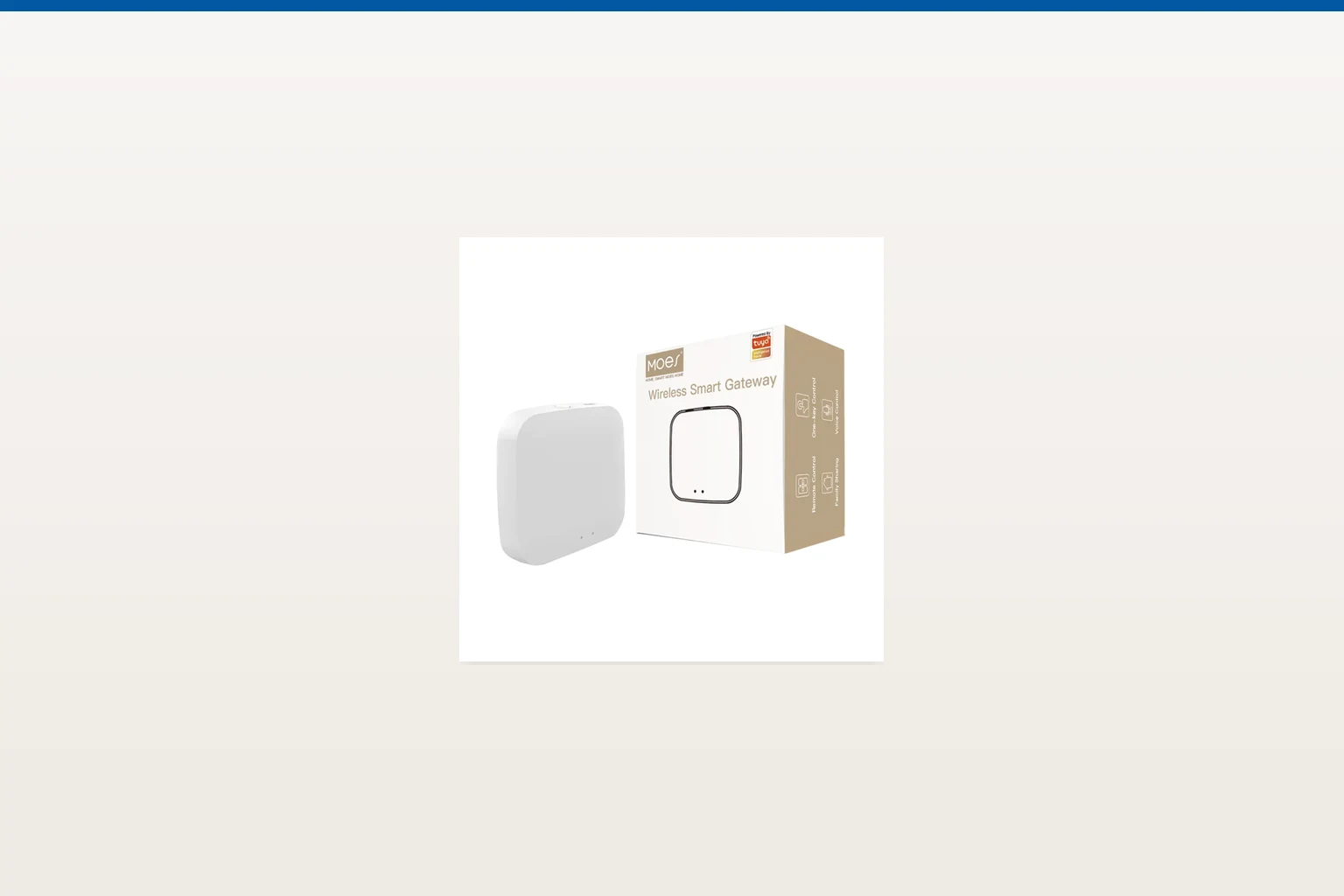
It acts as the network coordinator, pairing Zigbee switches, sensors, and plugs, then bridging them to your app or voice platform.
Yes. Zigbee peripherals typically cannot join Wi-Fi directly; they require a compatible gateway or coordinator.
Capacity varies by firmware and hardware; many Zigbee 3.0 gateways support roughly 50–128 sub-devices—confirm with the supplier for your SKU.
Tuya-based Zigbee hubs are designed to pair sub-devices in Smart Life; verify the exact model supports your target regions and integrations.
Some automations may run locally, but cloud apps and remote access often need internet; clarify offline behavior before quoting smart home packages.
Check FCC identifiers, power adapters for the target market, app store availability, and warranty swap procedures.
Zigbee uses a low-power mesh suited to battery sensors and switches; Wi-Fi devices connect directly to routers but may consume more power and congest Wi-Fi airtime.
When the project mixes Zigbee, Bluetooth, or Wi-Fi sub-devices and the buyer wants a single app for onboarding and scenes.
Ready to discuss your project? Contact MOES engineering support with your project parameters and technical requirements.
OTHER SMART DEVICES
6 月 13,2026
OTHER SMART DEVICES
6 月 12,2026
OTHER SMART DEVICES
6 月 12,2026
 +86 137 3639 3028