

by NOVA

6 月 24, 2026
The light switch might seem like an insignificant piece of hardware but in actuality it is critical to our everyday lives; we use them everywhere (homes, offices, and buildings) yet we rarely remember to appreciate them. They allow us to turn on lights in rooms (living rooms, offices and hallways) with ease via a flip, push or touch. The light switch is much more complicated than it appears; there are several different types of switches for various applications (e.g., indoor, outdoor, etc); many benefits (e.g., energy efficient); and practical applications (e.g., using a light switch in various places). Thus, this article discusses the ins and outs of the light switch and why the light switch continues to be one of the most important innovations of our lifetime.
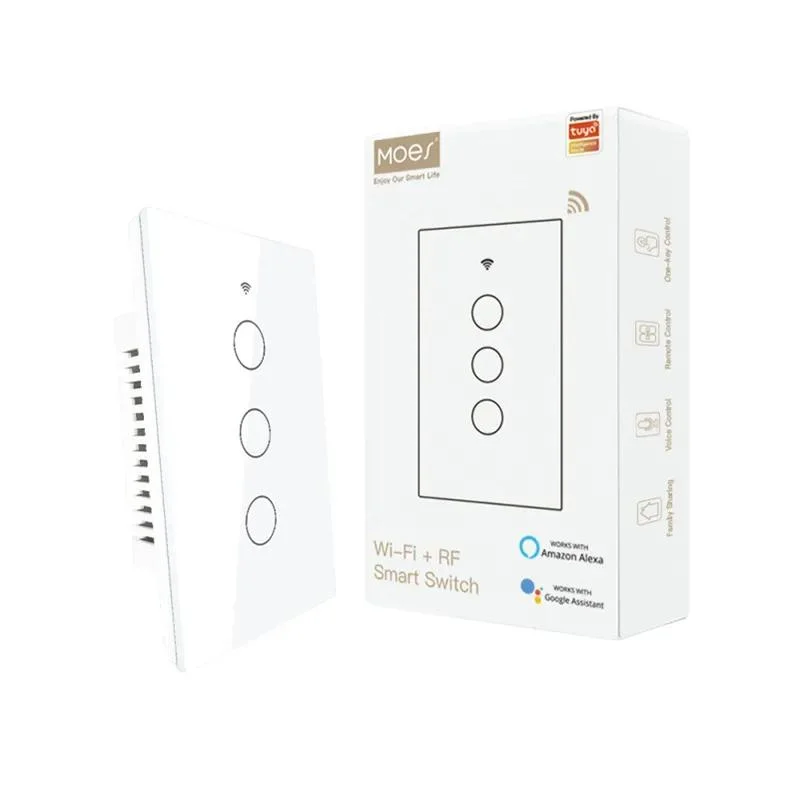
There are different types of light switches. Choosing one may have an effect on how it operates and how attractive it is. Below, we describe the most common types of light switches:
1. A Basic External Toggle Switch: Of all the switches available online, this style is the most widely used and recognized. Users point to how simple it is to operate (simply pull the lever up or down) in most households and businesses have made this a ‘default’ choice for many. Their easy-to-read designs (both on/off indicators) fit into either traditional or simple/clean environments perfectly (no extra elements to distract from the slotted toggle).
2. Rocker Switch is modern and stylish switches. Rather than using a small lever like a toggle, these switches use a large flat surface that moves back and forth to operate. The smoothness of their operation as well as their modern appearance has made rocker switches one of the top choices in recent years.
3. A dimmer can be a great way to set the mood and introduce a warm glow to a room, whether you want to create an intimate atmosphere for dinner or need light for reading or working. In addition, by using less electricity than normal lights, dimmers save energy and money.
4. Smart Switch: Smart home technologies are bringing forth a new category of switches. Many of these switches allow you to turn on/off lights using a smartphone, voice command (e.g., “Open the kitchen light”), or programmed schedule. Most models integrate with other smart home products.
5. Touch Switches: Offering a modern, futuristic alternative to traditional switches with its simpler touch activation mechanism versus traditional mechanical activation methods, touch switches lend themselves nicely to contemporary interior design because of their flat clean lines; as such, many homes utilize this type of lighting control today.
6. Motion Sensors Switches: They are ideal to be used in spaces like hallways; bathrooms or laundry rooms. They help save you energy because they automatically turn inside and outside lights on when you get near the light, and off when you move away from the light.
Light switches offer many benefits for both practical and aesthetic reasons; therefore, they are necessary in every room of your home.
Ease of Use: A light switch is one of the easiest devices to operate. Whether you are a tech-savvy individual or someone who struggles with modern gadgets, the basic action of toggling or pressing a switch is universally accessible.
Energy Efficiency: Utilize modern light switches such as dimmers and smart switches to help manage how much electricity you will use. As a means of saving energy costs while also helping to reduce your overall carbon footprint, you can lower the level of illumination from bright light bulbs by adding dimming capabilities and/or motion sensors to your lights.
Convenience and Safety: Light switches allow for immediate light to be provided, thereby helping reduce the likelihood of being injured from not having enough light in dark locations; Smart switches allow the user to turn on/off lights at any given time, even if they are not home, improving safety and convenience.
Customization: Light switches come in a wide range of designs, colours, and styles that can easily match your existing room decor. In fact, many modern technology-based switches can provide additional features and aesthetics through the use of custom covers and/or LED indicator lights.
At its core, the light switch is a simple device meant for a single function: turning lights on and off. This ease of use is precisely what makes it so remarkable. There’s no complicated interface to learn, no endless settings to navigate—just one simple action.
However, simplicity doesn’t always mean minimal functionality. Here’s how you can maximize the usability of light switches:
Position your switches thoughtfully around your home. For example, make sure they’re easy to access, such as near doorways, staircases, or high-traffic areas. This ensures safety, especially in spaces you navigate in the dark, like hallways or basements.
Consider upgrading to switches that offer more control. For larger rooms or areas with multi-point lighting, smart switches or dimmers provide an excellent solution. These allow for more tailored control without sacrificing the straightforward operation that the standard switch provides.
Finally, learn about the different features of your chosen switch. For example, some smart switches come with features enabling users to schedule lighting or enable automated settings during specific times of day. Features like these bridge the gap between modern functionality and traditional ease, presenting the best of both worlds.
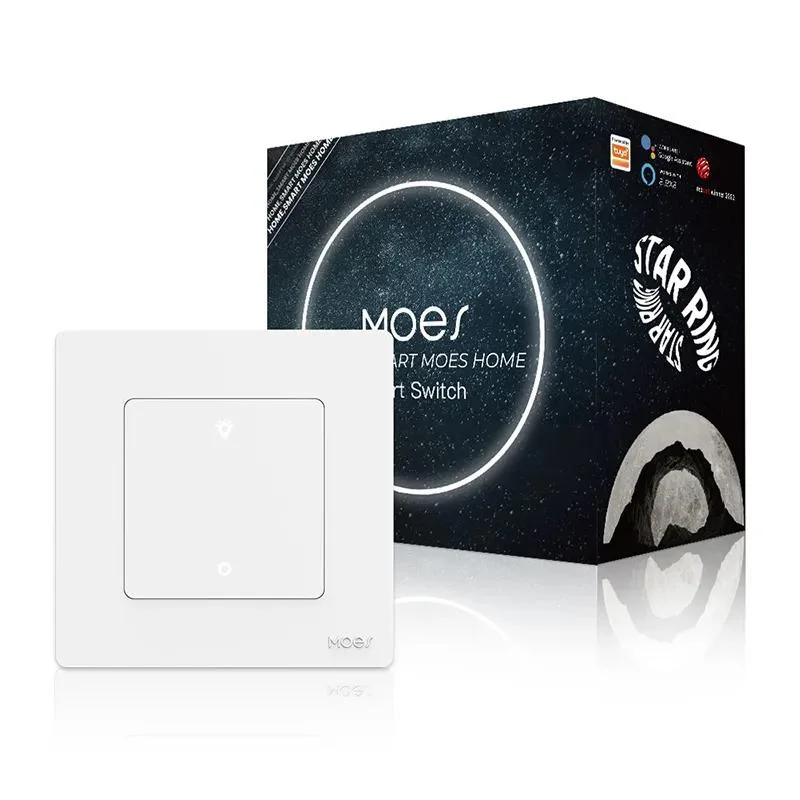
There is a wide array of light switches, including toggle switches, rocker switches, dimmer switches, smart switches, touch switches, and motion sensor switches. Each type caters to different needs and preferences, so choosing one that suits your space is essential.
Light switches offer ease of operation, energy efficiency, and enhanced safety and convenience. Advanced options like dimmers and smart switches also allow for greater customization and functionality, such as brightness control and remote access.
Keep light switches easily accessible by placing them near entrances and main areas of use. Opt for appropriate switch types tailored to your specific needs, and explore advanced options to make lighting control even more seamless and efficient.
In conclusion, the light switch may be one of the simplest devices in your home, but it is undoubtedly one of the most important. From basic toggle switches to sophisticated smart switches, there’s a wide range of options catering to different needs and preferences. These devices offer unparalleled convenience and functionality while enhancing safety and energy efficiency. Whether you’re choosing a switch for a contemporary home or a traditional setting, investing in the right kind of light switch is a subtle yet impactful way to refine your living and working spaces. By understanding the options and their advantages, you can make informed decisions to brighten up your home and life—literally and figuratively!
OTHER SMART DEVICES
6 月 13,2026
OTHER SMART DEVICES
6 月 12,2026
OTHER SMART DEVICES
6 月 12,2026
 +86 137 3639 3028