

by NOVA

6 月 23, 2026
In order to fully understand the overall purpose of a wall switch, one must recognize that they are much more than just a method for turning on or off different electrical devices in one’s home. A thorough understanding of how wall switches work and their multiple applications can improve overall energy efficiency, as well as support a safe and secure home environment while providing added convenience.
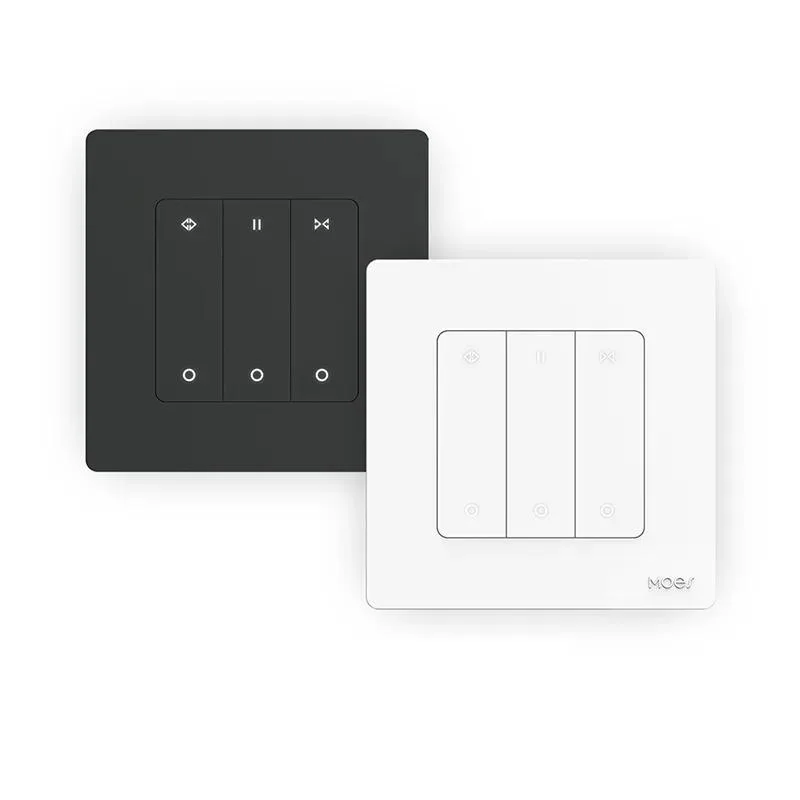
A key function of a wall switch is to serve as a control point to turn electrical devices on and off. Depending on the type of wall switch, a wall switch may offer additional functionality:
Wall switches with dimmers enable you to adjust lighting levels so it can create an ambiance for any occasion, such as a relaxing evening at home or an energizing workspace.
Switching with Three Ways: Three-way switches enable one light fixture to be controlled from two separate locations. These types of switches are often used in hallways and large rooms where it is inconvenient for someone to walk to one switch every time they want to turn on a light.
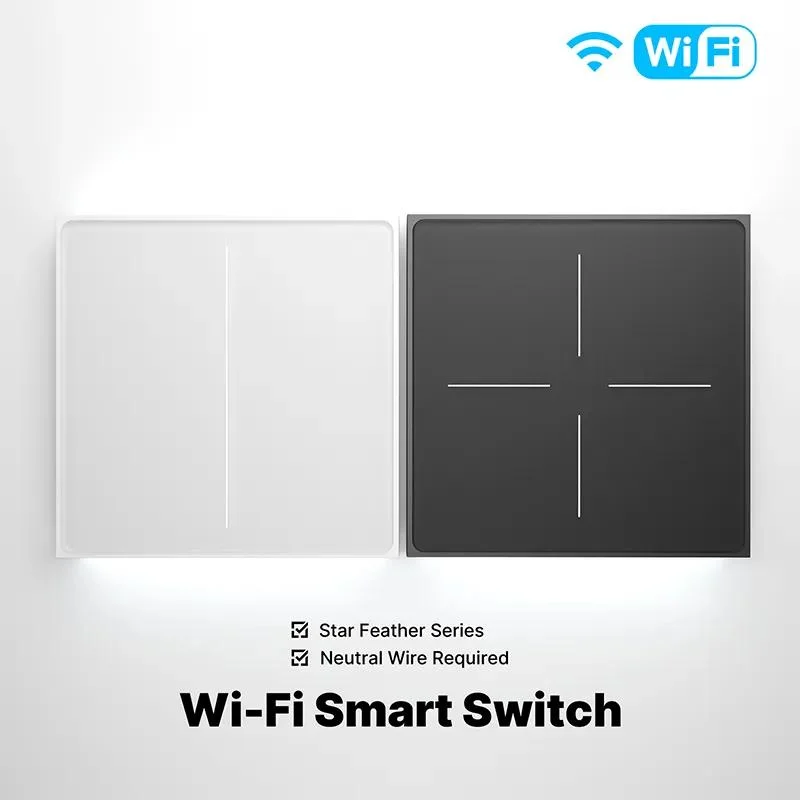
As smart technology continues to develop, an increasing number of people choose to install smart wall switches in their homes. Smart wall switches can be remotely controlled (e.g., using a smartphone app, voice command, or home automation device) allowing for ease and convenience of control over lighting.
Wall switches with timed features allow you to set a light to turn on or off according to your schedule and give the appearance of having an occupant (for safety).
By knowing what kind of wall switch you want, you will be able to quickly find out which type best fits your situation.
– Single Pole Switch: The most common type, controlling one fixture from one switch.
– Three-Way Switch: Allows control from two locations, ideal for stairwells and large areas.
– Dimmer Switch: Lets users adjust the light intensity, enhancing the atmosphere.
– Smart Switches: Can be connected to Wi-Fi and controlled remotely, offering modern convenience.
Wall switches are often made using different kinds of material based on its type of design and longevity. Some common materials for wall switches include:
– Plastic: Most common for standard switches, affordable and lightweight.
– Metal: Often used in decorative switches, providing a stylish touch and enhanced durability.
– Thermoplastic: Resistant to impact and heat, making it a safe choice for many applications.
What types of wall switches are available?
Some of the more popular types of switches are classified as follows: single pole switch, 3-way switch, dimmer switch, smart switch; they can be used in many different ways due to their various functions.
What materials are used in wall switches?
Wall switches are often constructed from different materials, including plastic, metal, or thermoplastic, providing a range of benefits and styles.
What are the functions of a wall switch?
Their main duties consist primarily of controlling brightness (through dimming) and enabling switching lights to different positions (e.g., “three way” switch) plus giving users an ability to remotely control and schedule these functions via their smartphones/other devices.
To summarize, wall switches are important components of today’s electric service by offering convenience, safety, and a way to set the mood when lighting and power in your home; from your basic traditional (toggle) switch style device to a more sophisticated smart device. Knowing what the different types of wall switches do and how they can improve how you use your home’s electrical & lighting includes learning what they do; and how you really interact with them at this time.
OTHER SMART DEVICES
6 月 13,2026
OTHER SMART DEVICES
6 月 12,2026
OTHER SMART DEVICES
6 月 12,2026
 +86 137 3639 3028