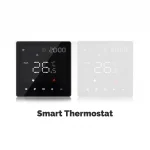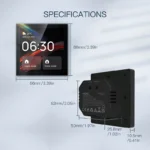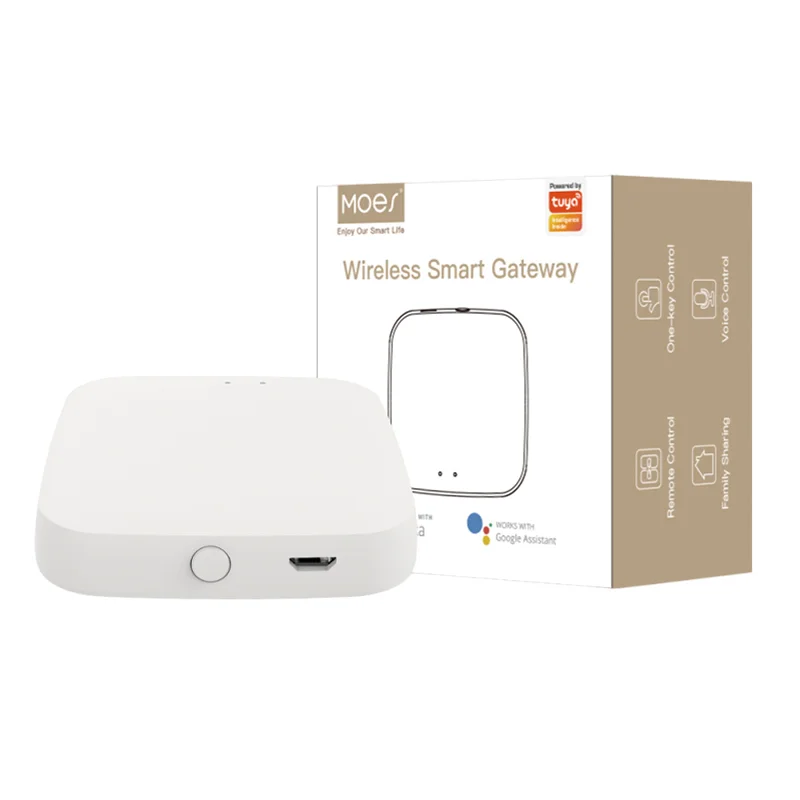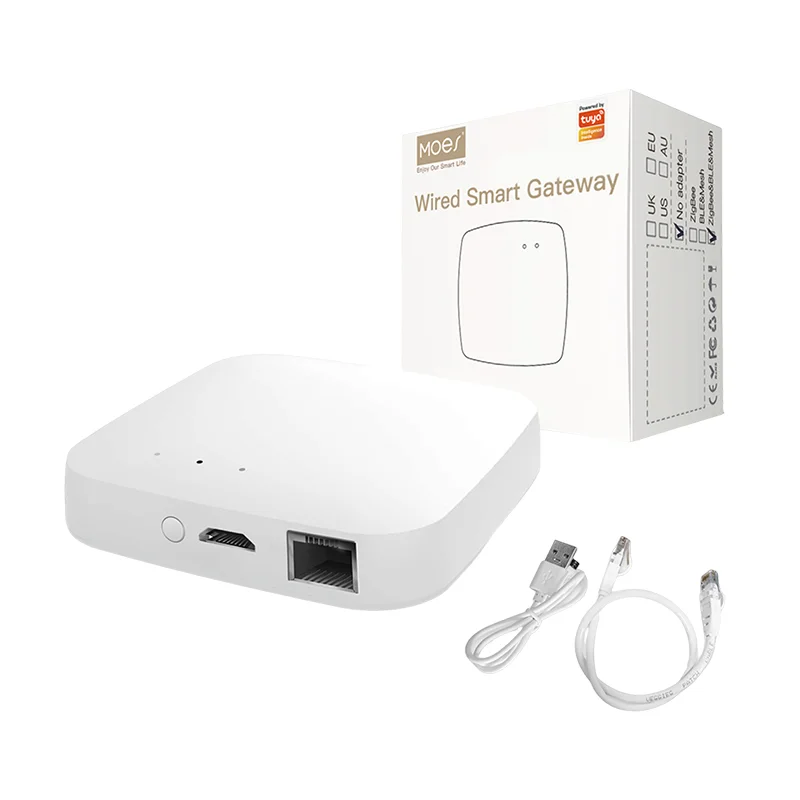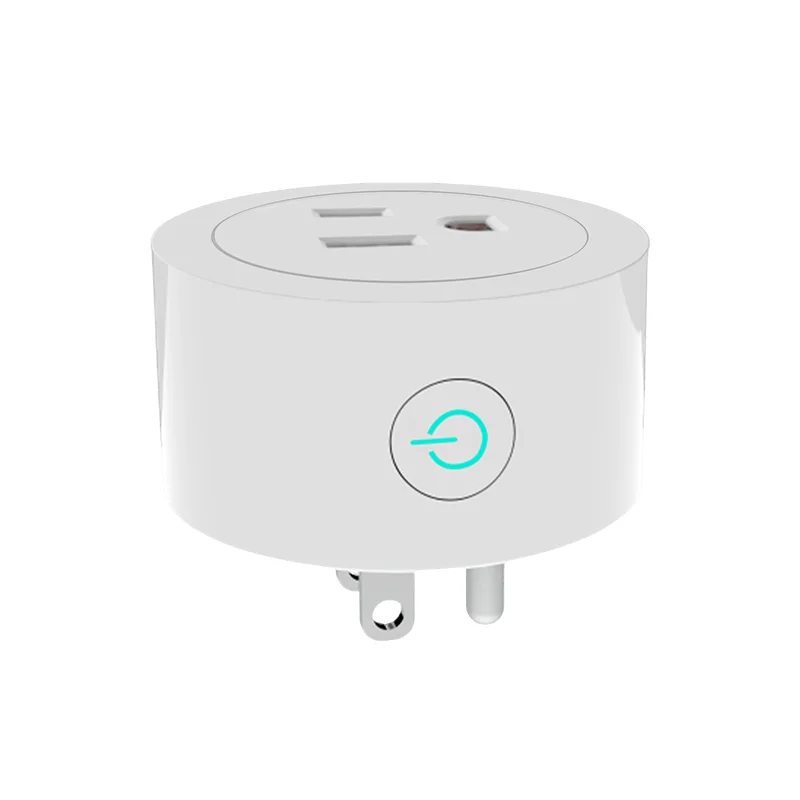


The industry is moving from traditional mechanical switches toward smart wall switch and timer wall switch solutions. In apartments, hotels, offices and smart homes, buyers need switches that can support app control, voice control, scheduled operation, gateway connection and energy-saving lighting management. At the same time, standard wall switches are still widely used because they are cost-effective, easy to install and suitable for large-volume construction projects.
Customers need these products because lighting control directly affects daily convenience, project safety, interior consistency and long-term maintenance costs. However, B2B buyers often worry about rated voltage, load capacity, terminal quality, wall box compatibility, smart protocol matching, certification documents, wall switch plates, OEM customization and supplier production stability.
For international procurement, selecting the right wall switch manufacturer requires more than price comparison. Buyers need to evaluate product specifications, testing processes, certification support and the manufacturer’s ability to provide consistent quality for long-term cooperation.
Note: Smart wall switches and timer wall switches do not fully replace traditional mechanical switches. Their value is more obvious in projects requiring automation, remote control, scheduled operation, energy management or integration with smart home systems.
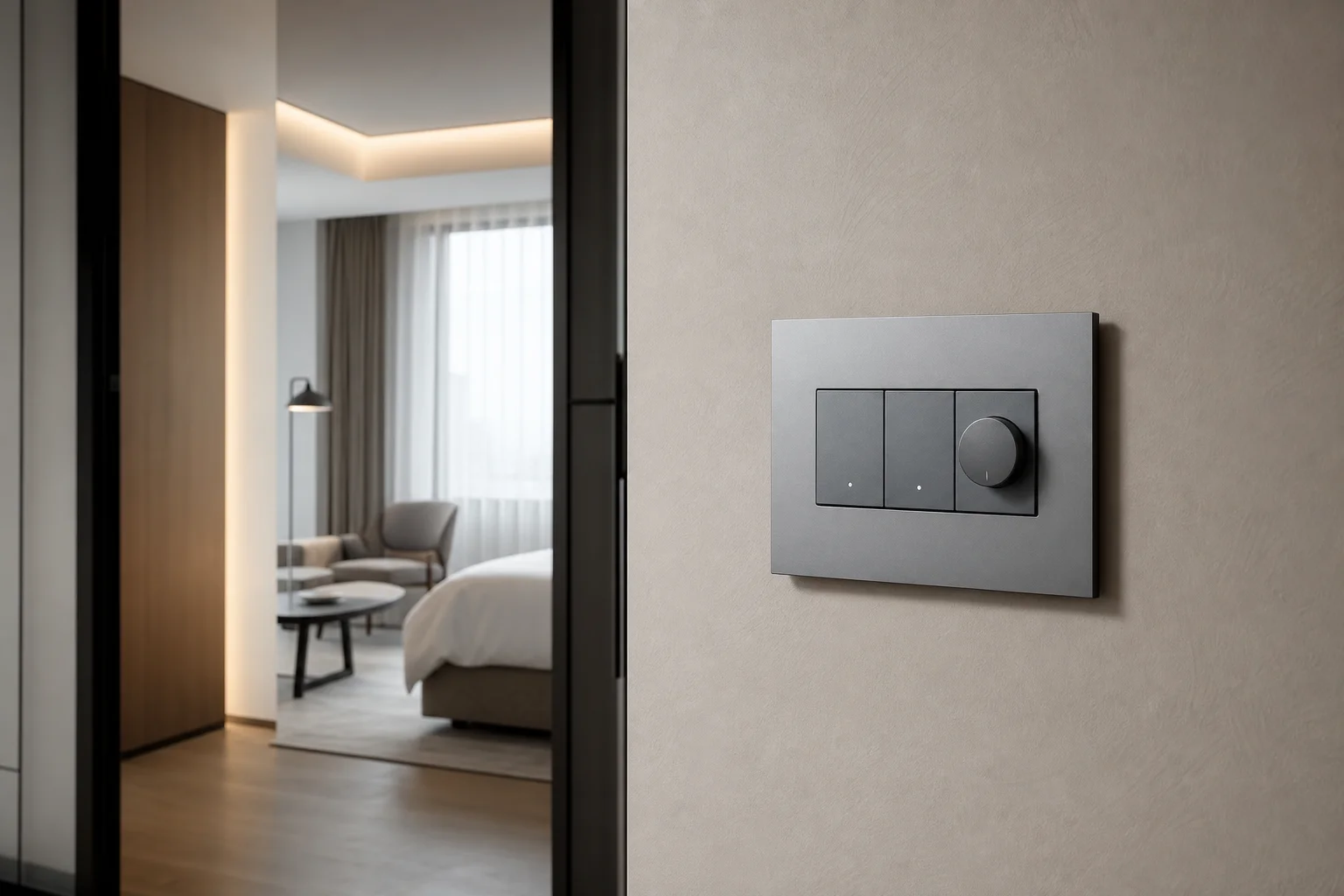
Market Demand for Wall Switches in Electrical and Smart Building Projects
Wall switches are used in almost every building type, including homes, hotels, apartment projects, office buildings, schools, hospitals, retail stores and light industrial spaces. For contractors, the most important requirement is often installation reliability. A product must fit local wall boxes, support the required wiring method and perform consistently during daily use. For distributors, a complete product range, stable supply, packaging consistency and marketable appearance are equally important. OEM brands usually focus on customized design, private label packaging, certification support and repeatable production quality.
Demand is also being influenced by smart building development. In many projects, lighting control is no longer treated as a separate function. It may be connected with occupancy habits, energy-saving strategies, security scenes, mobile apps or gateway control. According to the International Energy Agency, buildings account for around 30% of global final energy consumption, which is one reason why lighting control, connected devices and building energy management are becoming more important in modern construction.
This does not mean that a single wall switch can determine building energy performance. However, it does show that electrical control products, including smart switches, timer switches and related control devices, are part of a broader efficiency strategy.
| Buyer Type | Main Purchasing Focus | Typical Product Needs |
|---|---|---|
| Electrical Contractors | Installation compatibility, wiring convenience, reliable operation | Standard wall switches, timer wall switch |
| Electrical Wholesalers | Product range, packaging, stock stability | Wall switches, wall switch plates, smart switches |
| OEM Electrical Brands | Custom design, branding, documentation | Smart wall switch, customized switch plate wall |
| Smart Home Solution Providers | Protocol compatibility, IoT integration, app control | Matter, Zigbee and WiFi smart switches |
| Building Project Buyers | Compliance, durability, delivery schedule | Wall switches, wall light switch timer |
From Mechanical Switches to Smart Energy Control
Traditional mechanical wall switches continue to serve a large market because they are simple, durable and suitable for many standard lighting applications. They are commonly used in bedrooms, living rooms, corridors, offices, classrooms and general commercial areas. The structure is usually based on mechanical contacts, terminals, springs, housings and wall switch plates. For this category, buyers usually care about rated current, button feel, terminal strength, contact stability and service life.
At the same time, smart control is becoming a clear trend. A smart wall switch may support WiFi, Zigbee, Matter or other communication protocols, allowing users to control lights through mobile apps, voice assistants, gateways or automation scenes. These products are especially useful in smart apartments, hotels, villas, office automation projects and residential retrofit markets. Buyers should pay close attention to whether the smart switch requires a neutral wire, what type of load it supports, which smart home ecosystem it connects to and whether firmware or language customization is available.
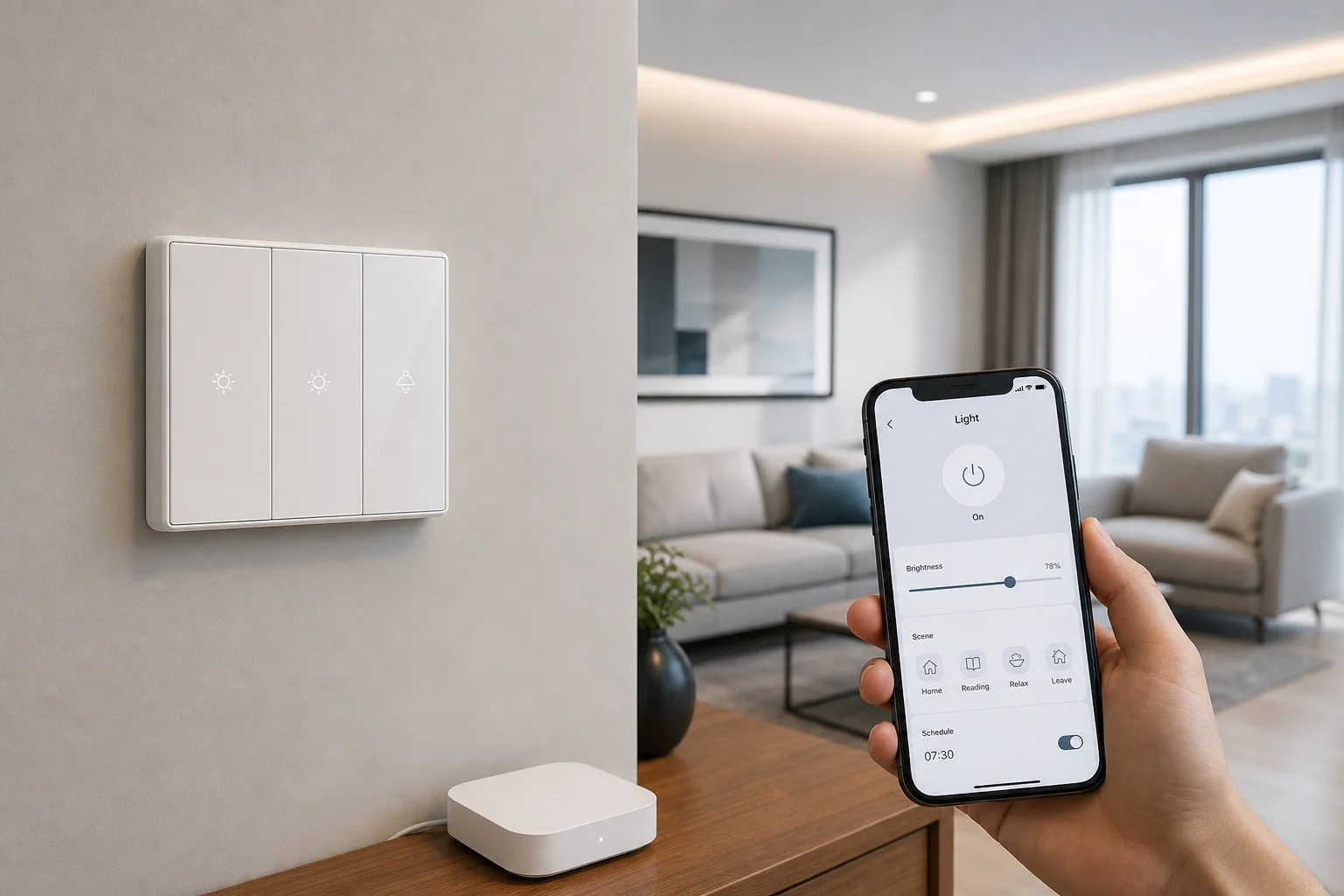
The Connectivity Standards Alliance describes Matter as a standard designed to improve interoperability among smart home devices. This is why protocol compatibility has become an important factor in smart wall switch procurement, especially for buyers who need products to work with multiple platforms, gateways or voice control systems.
Timer wall switch products serve another practical market. Instead of focusing on remote control, they solve time-based operation needs. A wall switch with timer can be used for corridor lighting, stair lighting, outdoor lamps, bathroom ventilation fans, garage lighting and commercial signage. In these scenarios, scheduled control can reduce unnecessary operating time and improve management convenience.
The International Energy Agency has also emphasized efficient lighting and control systems as important measures for reducing electricity use in buildings, especially when combined with automation, sensors and optimized operation strategies.
Note: The energy-saving effect of smart or timer control depends on the full system design, including lighting equipment, automation settings, user behavior, sensor configuration and building operation patterns.
Main Product Types for B2B Procurement
For B2B buyers, understanding the main types of wall switches helps reduce sourcing mistakes. Standard wall switches are mainly used for basic lighting control. They are available in different gang configurations and wiring functions, such as 1 gang, 2 gang, 3 gang, 4 gang, one-way, two-way or three-way switching. These products are suitable for large-volume projects where cost, durability and installation convenience are priorities.
Smart wall switch products are more complex because they combine mechanical structure and electronic control. A typical smart switch may include a PCB, relay, wireless module, touch panel, LED indicator and plastic or glass front plate. In addition to electrical performance, buyers must evaluate communication stability, app response, gateway compatibility and load control. Protocols such as Matter, Zigbee and WiFi are often discussed in smart home and IoT projects because they directly affect how the switch connects with other devices.
For LED lighting loads, buyers should confirm both nominal wattage and inrush current tolerance. LED drivers may create short peak currents during startup, so relay capacity and load compatibility should be reviewed carefully rather than relying only on the rated power printed on the product.
Timer wall switches are used when scheduled control is required. Some models use digital programming, while others use simpler timing mechanisms. In commercial or public spaces, timer control can make operation easier and reduce dependence on manual switching. Buyers should confirm timer range, load capacity, manual override function, program memory and display design before placing bulk orders.
Wall switch plates and light switch wall plates are also important. They are not only decorative parts but also affect installation appearance and product series consistency. Common materials include flame-retardant PC, ABS, tempered glass, stainless steel and aluminum alloy. In hotels, apartments and retail interiors, color consistency, surface finish and fitting accuracy can strongly influence the final visual effect.
Key Specifications Buyers Should Confirm
Clear specification confirmation is one of the most important steps in wall switch procurement. Different markets have different electrical systems, wall box dimensions, certification requirements and user preferences. Before requesting a quotation, buyers should confirm rated voltage, rated current, frequency, wiring function, gang number, installation standard, material, terminal type, certification requirement and packaging method.
| Specification | Common Options | Buyer Consideration |
|---|---|---|
| Rated Voltage | 110V, 120V, 220V, 230V, 250V AC | Must match the local electrical system |
| Rated Current | 10A, 15A, 16A, 20A | Should match lighting or load requirement |
| Protocol | Matter, Zigbee, WiFi | Important for smart wall switch projects |
| Function | 1-way, 2-way, 3-way, smart, timer, dimmer | Should match wiring logic and application |
| Material | PC, ABS, glass, metal | Affects durability and appearance |
| Terminal Type | Screw terminal, quick terminal, clamp terminal | Affects installation efficiency |
| Installation Standard | US, EU, UK, AU or customized | Must fit local wall boxes |
| Certification | CE, RoHS, FCC, UL, ETL, IEC-related | Depends on target market |
| Packaging | Neutral box, color box, private label | Important for distributors and OEM buyers |
For smart wall switch projects, neutral wire requirements and load compatibility are especially important. In retrofit projects, contractors may find that older buildings do not have neutral wires in switch boxes, which makes product selection different from new construction projects. For timer wall switch products, timer accuracy, manual override and memory function should be tested before mass purchasing.
For international B2B buyers, two specification areas deserve special attention:
- Electrical and installation compatibility: Rated voltage, rated current, frequency, wiring method and installation size should be confirmed according to the target market. A product that performs well in one region may not be suitable for another market if the wall box size, wiring standard or electrical rating is different.
- Smart function and certification matching: For smart wall switch products, buyers should confirm whether the device supports Matter, Zigbee or WiFi, whether it requires a neutral wire, and whether it is compatible with the intended app, gateway or smart home platform. Certification documents such as CE, RoHS, FCC, UL or ETL should also be checked by exact model rather than only by product category.
Manufacturing Process Behind Reliable Wall Switches
A reliable wall switch depends on controlled manufacturing rather than final inspection alone. The process usually begins with material and component preparation. Plastic housings and wall switch plates commonly use flame-retardant PC or ABS, while premium series may use glass or metal finishes. Internal conductive parts are often made from copper or copper alloy because conductivity and contact stability directly affect product safety and durability. For smart wall switches, electronic components such as PCB boards, relays, wireless modules and capacitors also require strict incoming inspection.
Injection molding is a key process for switch bases, frames, buttons and plates. Mold accuracy affects button movement, panel fitting, installation consistency and surface quality. If molded parts are unstable, buyers may experience problems such as loose panels, poor fitting, uneven gaps or inconsistent appearance. For large projects such as hotels or apartment buildings, these issues can become highly visible after installation.
Metal stamping and contact production are equally important. Terminals, springs and conductive contact parts must maintain stable pressure and low resistance after repeated operation. Contact resistance, terminal thickness, spring force and screw quality are common inspection points. For timer and smart switches, SMT production quality also becomes critical because PCB assembly accuracy directly affects electronic performance.

In smart switch manufacturing, fully automatic SMT production lines can improve placement precision and production consistency. Wenzhou NOVA New Energy Co., Ltd., established in 2008 in Wenzhou, Zhejiang, has built fully automatic SMT production lines and a normalized testing system for its smart home and solar energy product ecosystem. This type of production foundation is relevant for buyers sourcing Matter, Zigbee or WiFi smart switch products, where both electrical reliability and communication performance matter.
R&D and Engineering Capability for Smart Switch Products
Engineering capability is increasingly important because smart switches are not only mechanical components but also electronic control devices. Product stability depends on circuit design, firmware logic, wireless communication, relay performance, heat control, material selection and long-term reliability testing.
For OEM or ODM projects, customization may involve new panel design, modified button structure, smart wall switch function adjustment, Matter, Zigbee or WiFi protocol configuration, timer module adjustment, custom installation dimensions or integration with sockets, dimmers, gateways and sensors. These changes should be reviewed through engineering evaluation rather than treated as simple appearance modifications.
According to NOVA’s company information, its R&D system is supported by senior engineers, with continued investment in solar energy solutions and smart home IoT technologies. The company has obtained more than 50 national patents, and its product ecosystem covers smart switches, modules, gateways, sensors, smart inverters, solar controllers, solar connectors and related energy components. For international buyers, such information can serve as a practical indicator when evaluating whether a supplier has enough technical resources for product development, customization and project communication.
Quality Assurance and Certification Support
Quality assurance should cover the whole production process. Incoming inspection helps verify materials, copper parts, PCB components, relays, wireless modules and packaging materials. In-process inspection checks molded parts, PCB soldering, terminal assembly, button feel, screw torque, panel fitting and smart control functions. Finished products may require on/off function tests, load switching tests, contact resistance tests, insulation resistance tests, dielectric strength tests, temperature rise tests, timer accuracy checks, wireless connection tests and app control response verification.
Certification support is another key consideration for international procurement. Depending on the target market and product model, buyers may need CE, RoHS, FCC, UL, ETL or IEC-related documentation. IEC-related standards and local electrical safety regulations should be reviewed by product type and target market, especially for switches used in residential and commercial electrical installations.
According to NOVA’s company information, its core products have obtained 15 international certification documents or compliance approvals, and the company has established a strict quality management system and normalized product testing process. Publicly displayed certification examples include CE, RoHS and FCC-related conformity documents. Buyers should still confirm certification scope by exact model, target country and application before placing orders.
Final inspection before shipment usually includes model number, quantity, packaging, labels, user manuals, accessories, carton strength and shipping marks. For distributors, packaging damage and unclear model labeling can create after-sales problems even when the switch itself performs correctly. For large-volume orders, buyers may request inspection reports, test records, product photos or third-party inspection support.
How Buyers Can Evaluate a Wall Switch Manufacturer
A qualified wall switch manufacturer should be evaluated from both product and process perspectives. Product range shows whether the supplier can support standard switches, smart wall switch products, timer wall switch models, wall switch plates and related smart home devices. Engineering support shows whether the supplier can answer questions about load type, wiring method, protocol compatibility, certification and customization feasibility.
Manufacturing capability is also important. Buyers should review whether the supplier has stable assembly processes, SMT capability for smart products, testing systems and quality control procedures. Documentation is another practical factor. Datasheets, wiring diagrams, user manuals, certification documents, packaging files and test records help buyers communicate with local contractors, distributors and compliance teams.
Global market experience can also reduce cooperation risks. NOVA’s public company information shows a 120,000-square-meter intelligent manufacturing base, more than 150 professional talents, three branches in China, products supplied to 38 countries and regions, and more than 10 million global device activations. These details can help buyers understand the supplier’s scale, production background and international cooperation experience without turning the procurement decision into a simple company profile review.
Practical Purchasing Guidance Before Bulk Orders
Before placing bulk orders, buyers should prepare clear technical and commercial requirements. The inquiry should include product type, rated voltage, rated current, installation standard, gang number, wiring function, material preference, smart protocol, load type, neutral wire requirement, certification needs, OEM packaging, estimated quantity, sample request and delivery schedule.
For smart wall switch projects, sample testing is especially important. Buyers should verify app response, gateway connection, protocol compatibility, relay operation and load performance. For timer wall switch products, timer accuracy, manual override function and program memory should be checked. For wall switch plates, buyers should review color consistency, surface finish, fitting accuracy and packaging protection.
A practical pre-order review can focus on the following points:
- Sample verification before mass production: Samples should be tested under real or simulated installation conditions. Contractors can check wiring convenience, terminal strength, button feel and wall box fitting, while smart home buyers can test app response, gateway connection, protocol stability and load switching performance.
- Documentation and packaging confirmation: Before confirming a bulk order, buyers should review datasheets, wiring diagrams, certification documents, user manuals, labels, barcodes and carton marks. For OEM brands and distributors, packaging consistency and documentation accuracy are important for local sales, compliance review and after-sales support.
This preparation helps reduce communication errors and allows both buyer and manufacturer to confirm whether the selected wall switches, smart wall switch products, timer wall switch models and wall switch plates are suitable for the target market.
Conclusion
Wall switches are small but essential components in modern electrical systems. As building projects move toward smarter and more energy-conscious operation, buyers are paying more attention to smart wall switch functions, timer wall switch applications, wall switch plates, certification documents and manufacturing consistency.
For electrical contractors, wholesalers, OEM brands and smart home solution providers, the best sourcing decision is based on verified specifications, sample testing, quality assurance processes and clear communication with the manufacturer. Suppliers with experience in smart home IoT products, SMT production, standardized testing and international markets can provide stronger support for long-term B2B cooperation.
By evaluating both product performance and manufacturing capability, buyers can reduce sourcing risks and build more reliable supply chains for wall switches, smart lighting control products and related electrical accessories.
Frequently Asked Questions
1. What are wall switches commonly used for?
Wall switches are used to control lighting and electrical loads in homes, hotels, offices, apartments, retail stores, schools, hospitals and light industrial facilities.
2. What is the difference between a smart wall switch and a timer wall switch?
A smart wall switch supports app control, voice control, remote control or automation through protocols such as Matter, Zigbee or WiFi. A timer wall switch controls lighting or devices according to preset schedules.
3. What specifications should buyers confirm first?
Buyers should confirm rated voltage, rated current, gang number, wiring function, installation standard, material, terminal type, load type, certification and packaging requirements.
4. Why are wall switch plates important?
Wall switch plates protect the installation area and improve the final appearance. For hotels, apartments and commercial interiors, material quality, color consistency and fitting accuracy are important.
5. Can wall switches be customized for OEM brands?
Yes. OEM customization may include logo printing, color selection, customized wall switch plates, private label packaging, instruction manuals, barcode labels and carton marks.
6. What tests are important for smart wall switches?
Important tests include load switching, relay response, wireless connection, app control response, touch sensitivity, temperature rise, electrical safety and appearance inspection.
7. Should buyers request samples before bulk orders?
Yes. Samples help verify installation fit, material quality, wiring terminals, smart functions, timer accuracy, packaging and overall product consistency.
8. Which certifications may be relevant for wall switches?
Depending on the target market and product model, buyers may review CE, RoHS, FCC, UL, ETL, IEC-related standards or local electrical safety requirements.
References
- International Energy Agency, Buildings: https://www.iea.org/energy-system/buildings
- International Electrotechnical Commission, IEC Standards: https://www.iec.ch
- Connectivity Standards Alliance, Matter Standard: https://csa-iot.org/all-solutions/matter/
- UL Solutions, Electrical and Electronic Product Safety Information: https://www.ul.com
Technical review: NOVA Smart Home Product Team