

by NOVA

7 月 17, 2026
Gang switch layout decisions determine whether an installer receives the right faceplate, back-box fit, and circuit count before a multi-room job begins. Distributors should convert room plans and wall photos into a per-room gang matrix, then validate wiring and protocol against exact MOES listing titles.

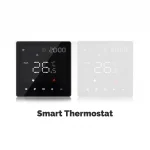
Product image from the MOES catalog; verify exact listing scope before quote approval.
A one-gang sample does not predict a multi-circuit building order. Entry halls, kitchens, corridors, and guest rooms can each require different circuit counts, finishes, and control behavior. A channel team that collects only the total switch quantity loses the information needed to quote correct plates and cartons. Start with a room-by-room worksheet that ties each wall location to lighting circuits, existing box shape, and the desired user interface.
| Field | Why it matters |\n|—|—|\n| Room and wall location | Keeps circuits tied to one physical plate |\n| Number of controlled circuits | Determines 1-, 2-, 3-, or multi-gang SKU |\n| Existing box and plate photo | Prevents faceplate mismatch |\n| Neutral presence | Screens wiring-dependent listings |\n| Finish and user preference | Separates touch, rocker, and color lines |\n\nMake the worksheet part of the RFQ. It is more reliable than asking installers to remember gang counts during a later purchase-order review.
A gang count does not override the electrical requirements of an individual listing. Each wall location still needs a Line/Load and neutral check where the selected SKU requires it. WiFi and Zigbee also create different support paths: WiFi needs property LAN and pairing ownership; Zigbee needs a compatible gateway BOM. Compare those channel decisions in the WiFi vs Zigbee distributor comparison.\n\n \n\nCatalog image; verify the actual listing variant and wiring scope before quote approval.
Use the worksheet to separate a small sample mix from replenishment stock. Samples should cover the common gang combinations and finishes required by the first installation zone. Replenishment can then follow installation records rather than a generic ratio. Include spare switches by the most common gang type, and label cartons by gang count to reduce field picking errors. For electrical wholesalers, the smart light switch RFQ guide provides the broader commercial fields.
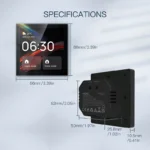
Use the smart switch category as the commercial pillar, then quote an exact listing. The MOES WiFi RF433 Smart Touch Wall Light Switch 1/2/3 Gang listing states its 1/2/3 Gang scope in the title. That title supports a bounded starting point for layout quotes; it does not certify every market or box format.\n\n \n\nProduct image from the MOES catalog; match gang count and finish to the live listing.
Split orders when regions use different electrical formats, when some rooms require no-neutral variants, or when touch and rocker preferences cannot share one plate family. Also split the BOM when the building has a WiFi segment and a Zigbee segment with separate support workflows. A single high-level “multi-gang” line hides these differences and creates avoidable returns.
A reliable installer package keeps commercial assumptions separate from product listing evidence. Any open question about wiring, outlet format, plate fit, network coverage, or support ownership belongs in the RFQ before the purchase order is issued.
Confirm project layout, wiring, protocol, physical format, and the exact live listing before purchase.
Include the existing wall plate, box, wiring, room location, and any adjacent device layout.
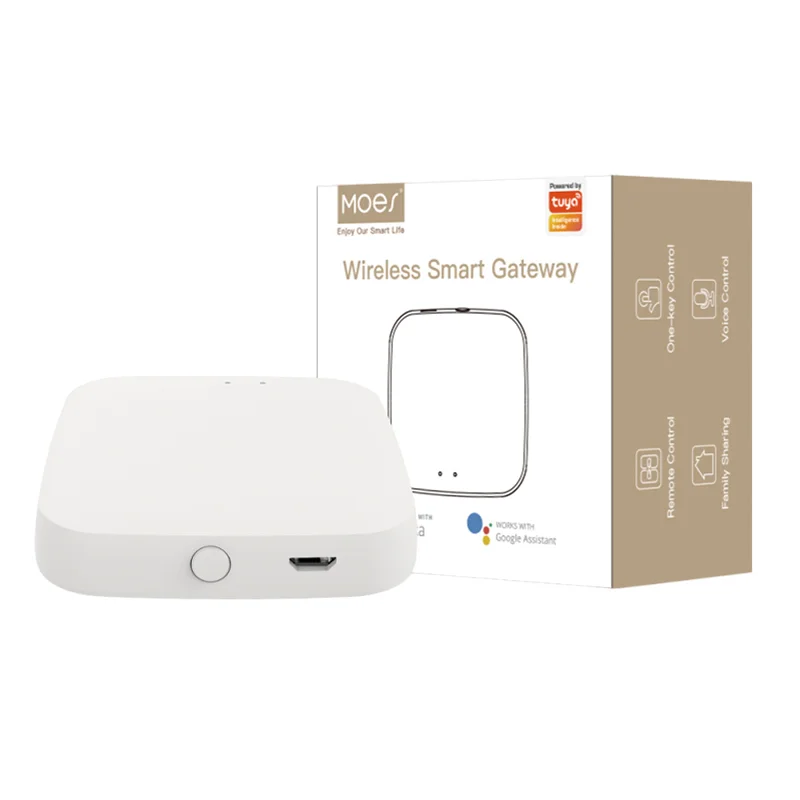
WiFi needs a documented LAN workflow; Zigbee needs a gateway BOM and coordinator ownership.
Split it when markets, wiring classes, protocol segments, or installation phases differ.
No. The title bounds a SKU claim but does not replace photos, drawings, or project-specific checks.
Quantity, samples, spares, carton language, market, labeling, and OEM/ODM requirements.
OTHER SMART DEVICES
6 月 13,2026
OTHER SMART DEVICES
6 月 12,2026
OTHER SMART DEVICES
6 月 12,2026
 +86 137 3639 3028