

by NOVA

7 月 18, 2026
Matter smart switch 4 gang requests require a compatibility plan before a brand quotes a product. Public MOES catalog evidence in this workspace does not confirm a specific four-gang Matter wall-switch listing, so brands should treat this article as an RFQ and boundary guide—not as a claim that a 4-gang SKU is currently available.
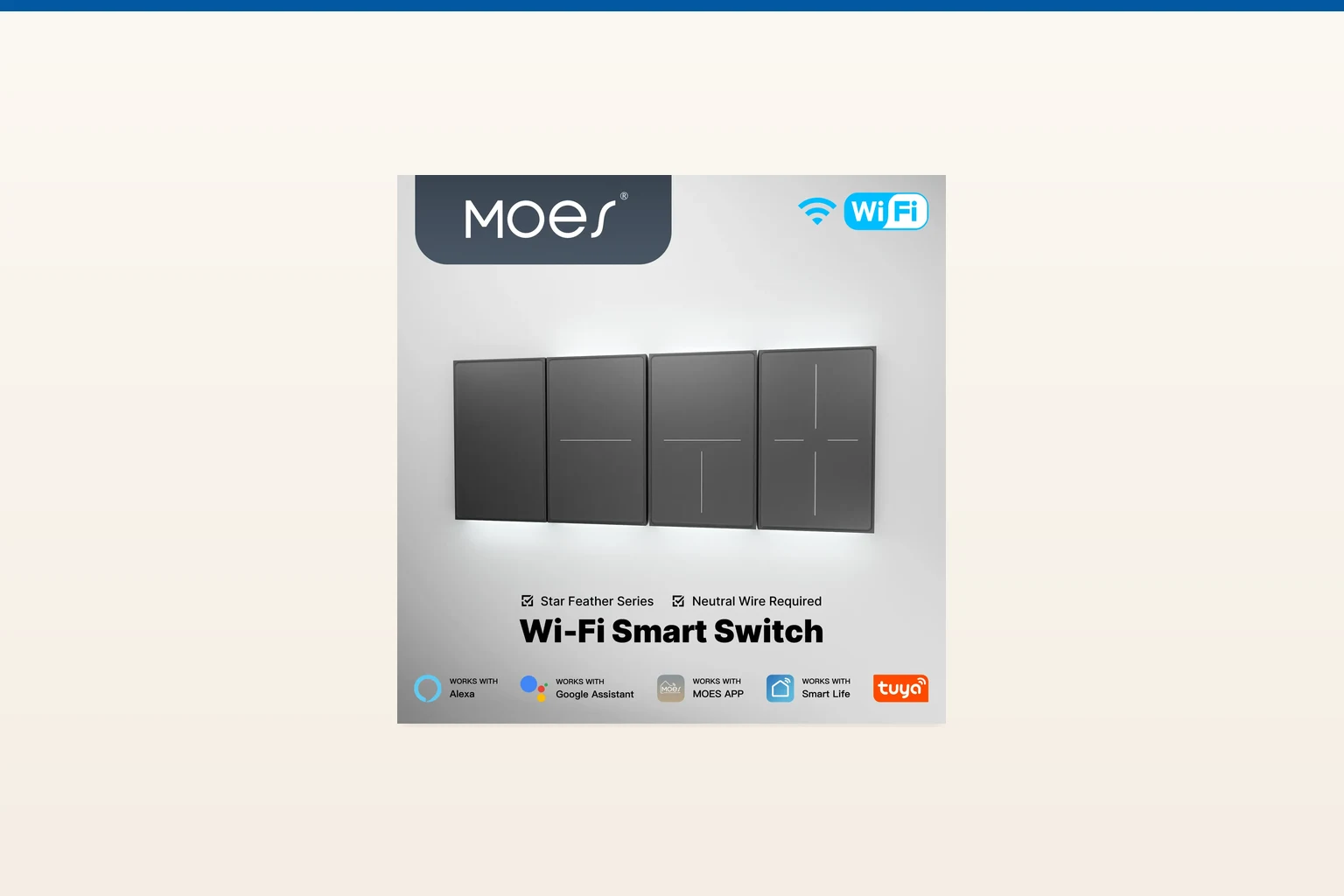
MOES catalog image; verify the exact SKU before purchase.
Confirm the physical requirement first: four independently controlled circuits, wall-box dimensions, plate format, neutral availability, and multi-way wiring. Then document the target Matter platform and controller path. A keyword request alone cannot establish that a particular MOES SKU has four gangs, Matter support, or the needed regional format. The RFQ must separate desired specification from public listing evidence.
| Planning field | Brand question |\n|—|—|\n| Controller ecosystem | Which approved controller will commission devices? |\n| Transport / network path | What local network architecture is expected? |\n| Four-gang layout | Which circuits share one plate? |\n| Wiring | Is neutral present at each box? |\n| Firmware/support | Who owns updates and escalation? |\n\nMatter improves interoperability planning only when the specific device, controller, and project boundary are documented.
A four-gang request describes a buyer requirement. It does not verify a live product. MOES has public smart-switch listings with different gang counts and protocols, while the current public Matter reference identified for this guide is a MOES Tuya Smart Matter Plug WiFi Socket 16A listing. Use that listing only as Matter-category evidence for its exact product type, not as proof of a Matter four-gang wall switch.\n\n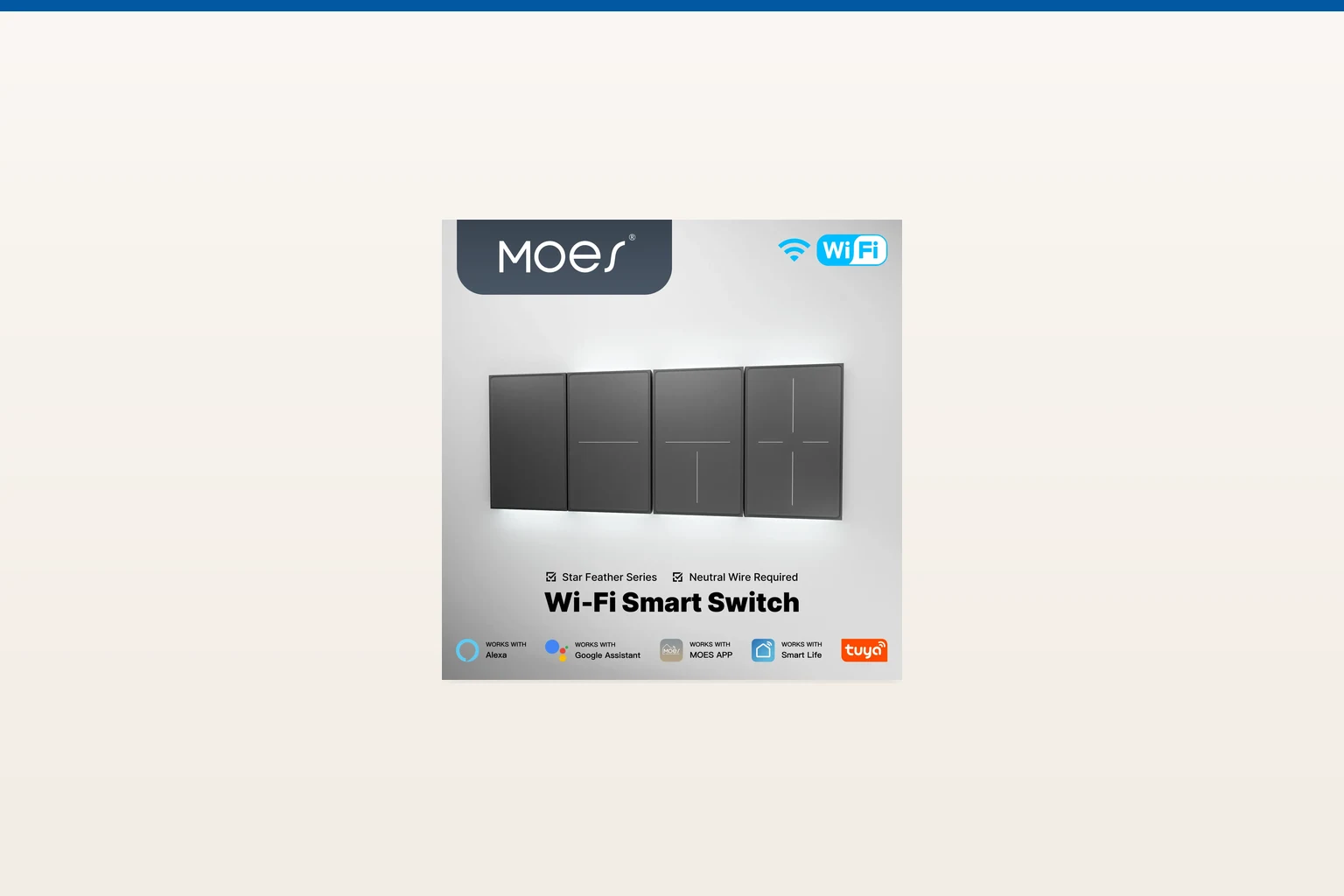 \n\nIllustrative MOES media; final SKU and platform support require an exact live listing or supplier confirmation.
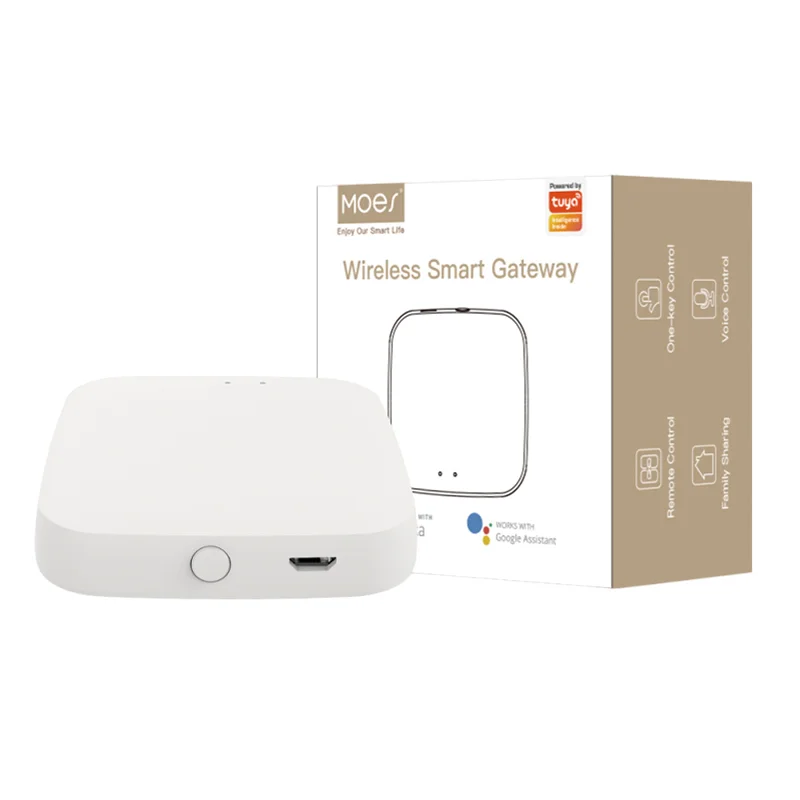
Matter is an interoperability layer, while WiFi and Zigbee describe different network approaches. A four-gang brand brief should state whether it requires a WiFi/Matter path, a Zigbee gateway architecture, or a separate compatibility route. Do not collapse those terms into one claim. Read the Matter smart home compatibility guide for cross-ecosystem boundaries and the WiFi vs Zigbee comparison for channel planning.
Use public pages as evidence of adjacent categories, then state the gaps. The Matter plug listing can be cited for its own Matter/WiFi socket wording. Multi-gang switch listings can be cited for their own gang and protocol titles. The RFQ should request confirmation of any proposed four-gang Matter SKU, platform scope, wiring requirements, sample availability, and documentation before a brand markets the claim.\n\n \n\nIllustrative media only; verify a product-specific four-gang Matter listing before quote approval.
Pause when the requested gang count has no verified product reference, when controller compatibility is unnamed, when wiring and wall format are not documented, or when local market approvals have not been verified for the exact model. It is better to issue a requirements RFQ than to publish a compatibility promise based on a generic Matter article or a different device category.
A reliable B2B quote documents what the buyer needs, what the public listing verifies, and what still needs product-specific confirmation. Keep those three layers separate in the RFQ.
Verify physical format, project scale, network path, exact listing scope, and support ownership.
Yes. Fixture, wall box, plate, and existing-device photos prevent incorrect format assumptions.
List protocol by room or device line; include gateway quantity for Zigbee segments.
No. Titles only bound the exact listing and do not replace project verification.
Pause when physical format, wiring, controller, target market, or model evidence is not defined.
Sample quantity, spares, carton language, target market, branding, support owner, and OEM/ODM scope.
OTHER SMART DEVICES
6 月 13,2026
OTHER SMART DEVICES
6 月 12,2026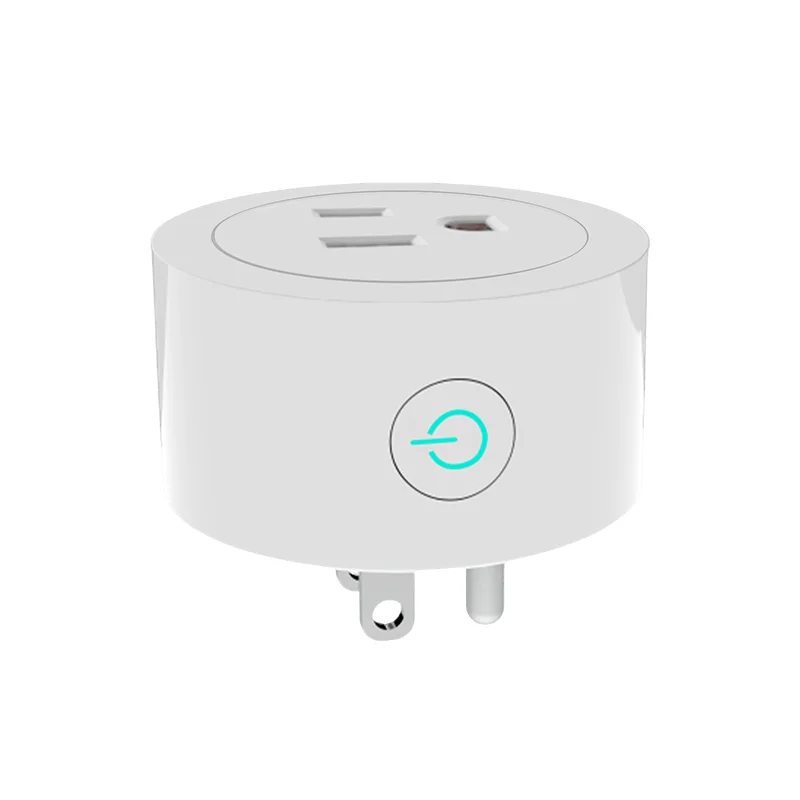
OTHER SMART DEVICES
6 月 12,2026
 +86 137 3639 3028